
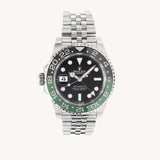





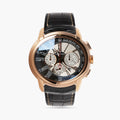
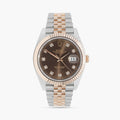
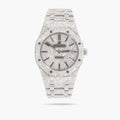
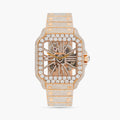





Most scratches on a luxury watch do not come from accidents. They come from ordinary days: a desk edge, a door frame, a zip, a bag strap. A few small habits prevent nearly all of them, and none of them mean wearing your watch less.
Where scratches actually come from
The clasp and the underside of the bracelet take the most wear, because they rest on desks and laptops for hours at a time. The case sides and bezel come next, usually from door frames, car doors and worktops. The crystal is the least likely part to mark, but it is the most noticeable when it does.
Grit is the other cause people miss. A grain of sand or dust trapped under a cuff, or wiped across the case with a cloth, will leave fine lines on a polished surface.
Habits that prevent most marks
- Take your watch off for the gym, DIY, gardening and moving furniture. These are where the deep marks happen.
- Be aware of your clasp at a desk. A soft desk mat or a laptop sleeve under your wrist stops the slow wear that builds up over months.
- Keep it away from other jewellery. Bracelets and bangles worn on the same wrist rub against the case all day, and gold and diamonds will mark steel.
- Watch your cuffs and zips. Jacket zips and metal cuff buttons catch the bezel more often than you would expect.
- Put it on last and take it off first, so it is not on your wrist while you handle keys, bags and belts.

Take it off the right way
When you take your watch off, put it down on something soft and never face down. Resting it on its side with the crown facing up, or flat on its case back on a cloth, keeps the crystal and bezel clear of the surface. Avoid dropping it into a pocket, a bag or a bowl with keys and coins.
Store and travel with it properly
Watches scratch each other. If you own more than one, each needs its own space, with nothing metal touching the case or bracelet. A box with separate cushions works at home, and a watch roll or a hard travel case protects it in a bag or suitcase.
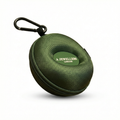
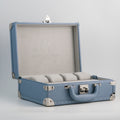
Our watch rolls and travel cases hold each watch on its own cushion or in a foam interior, so it cannot move against anything else.
Clean it without scratching it
Cleaning is where a lot of fine scratches are made. Remove the grit before you rub anything.
- Use a clean, soft microfibre cloth, and shake it out first.
- If the watch is water resistant and the crown is fully pushed in or screwed down, rinse it briefly under lukewarm water with a drop of mild soap, then pat it dry. If you are not sure of its water resistance, skip the water and use a barely damp cloth.
- Keep leather straps dry.
- Keep it away from bleach, solvents and abrasive cleaners, and take it off before using them.
- Do not use paper towels, tissues or the hem of a shirt. They are rougher than they feel.
Some finishes mark more easily than others
Polished surfaces show every hairline, while brushed surfaces hide light wear better. Gold is softer than steel, so a gold case or bracelet will pick up marks sooner. Modern sapphire crystals are very hard to scratch but can chip on a sharp knock. Older watches often have acrylic crystals, which scratch easily but can usually be polished out.
If it does get scratched
Light marks are part of wearing a watch, and most can be improved by a professional refinish. Be careful about how often you have a watch polished, though. Polishing removes a little metal each time and can soften the sharp lines of the case, which matters to collectors and can affect value, particularly on older pieces. Ask a specialist before you agree to it.
If you would like advice on a watch you own, or you are thinking about your next one, you can visit us in Hatton Garden or browse our new and pre-owned watches.


